
The Art of Energy Flow at Weddings
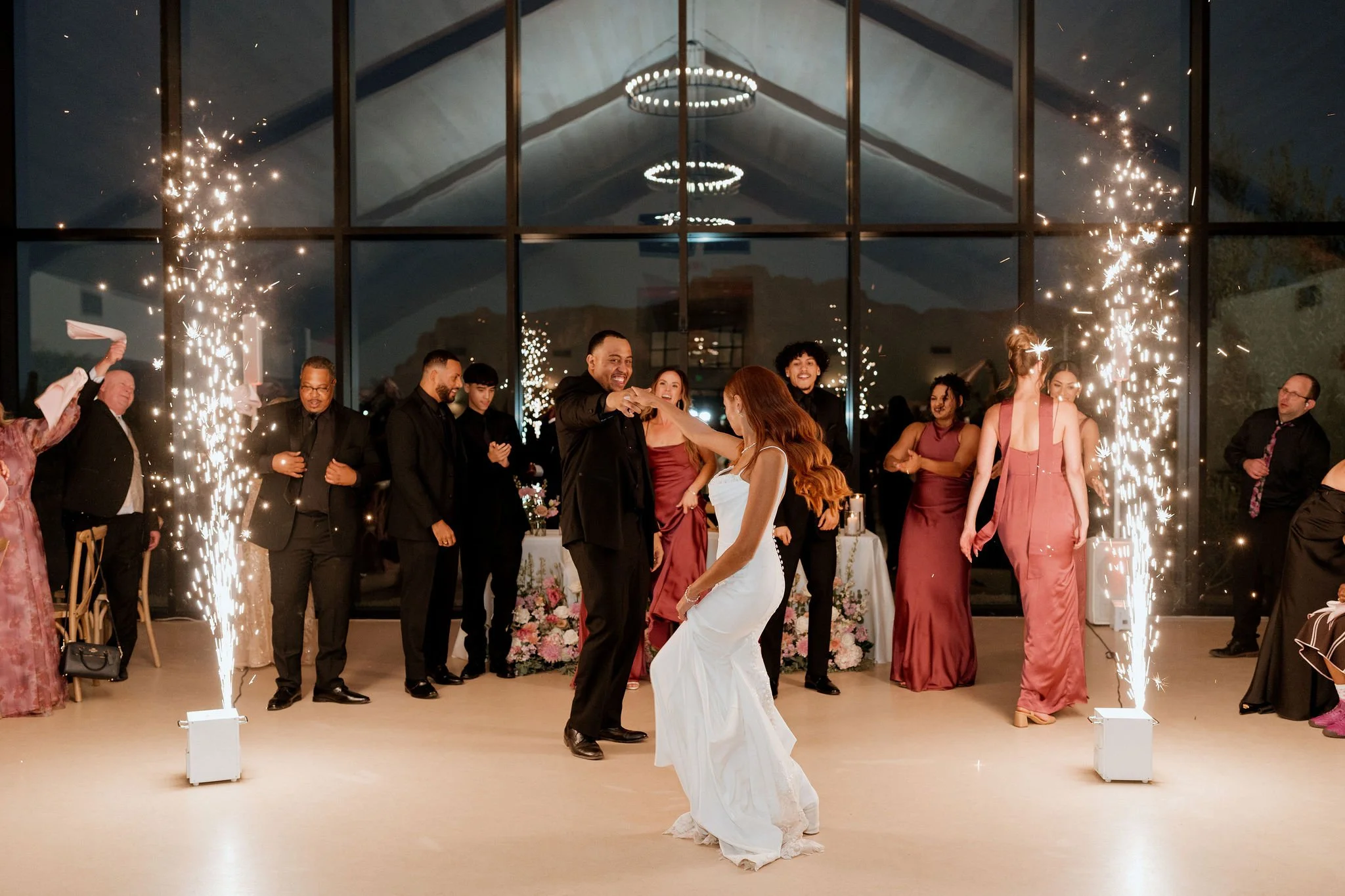
photo courtesy @mayapapaypictures
Most guests can’t explain why a wedding felt incredible.
They just know it did.
The room felt calm when it needed to be.
Excitement built without anyone pushing it.
Moments landed cleanly.
The night unfolded with ease.
That doesn’t happen by accident.
Behind every celebration that feels natural, there’s an invisible current—one that moves attention, emotion, and energy at exactly the right pace. When it’s handled well, no one notices the leadership guiding it. They simply feel present. Relaxed. Ready.
This is the difference between a wedding that sounds good and one that feels right.
For planners and couples alike, understanding energy flow isn’t about music preferences or timelines alone. It’s about knowing how a room breathes—and how to guide it without ever interrupting the experience.
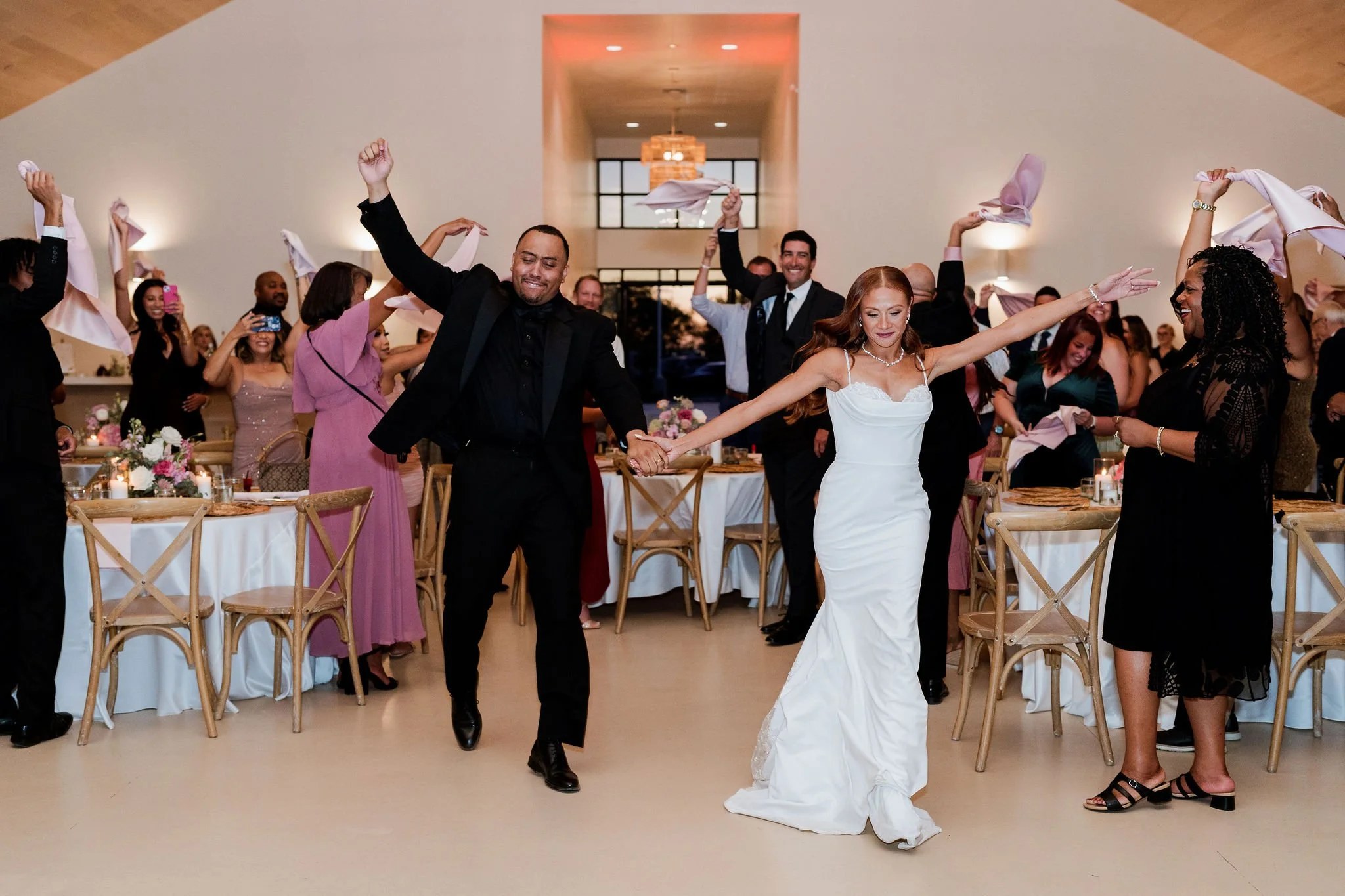
photo courtesy @mayapapayapictures
What This Post Will Help You Understand
Why energy matters more than volume or song selection
How great weddings build momentum without rushing it
What guests feel when flow is handled well—even if they can’t name it
Why leadership on a wedding day should feel quiet, not commanding
How Energy Shapes the Guest Experience
Why Great Weddings Feel Good Before They Get Loud
Energy doesn’t start on the dance floor.
It starts the moment guests arrive.
From the first sound they hear to the way transitions are handled, people are subconsciously deciding whether they can relax into the day. When things feel rushed, forced, or overly performative, that tension shows up later—on the floor, during speeches, in the way people engage.
The best celebrations earn their energy.
They don’t demand it.
The Moments Between the Moments Matter Most
Anyone can play a great song.
Few people know what to do between them.
The pause before a grand entrance.
The shift from dinner into toasts.
The quiet reset before the room explodes into dancing.
These transitions determine whether the night feels cohesive or chaotic. When handled thoughtfully, guests stay connected—even when nothing “big” is happening.
Leadership Without the Spotlight
True hosting isn’t loud.
It’s confident.
Energy flow is guided by someone who understands when to step forward—and when to disappear entirely. Guests shouldn’t feel directed. They should feel carried.
When leadership is done well, the room follows without resistance.
What I’ve Learned by Paying Attention
Across countless celebrations, one pattern holds true:
the most memorable weddings are not the most aggressive.
They are the most aware.
Awareness of the room.
Of the couple’s comfort.
Of the planner’s pacing.
Of when less does more.
Energy isn’t something you chase.
It’s something you listen to.
And when you respect it, the night rewards you.
How a Wedding’s Energy Is Quietly Designed
Before guests ever arrive
The tone is set through sound, pacing, and restraint—not excitement.As attention naturally gathers
Moments are introduced, not announced into existence.When emotion peaks
Nothing competes with it. The room is allowed to feel.When energy is released
The shift feels earned, not abrupt.As the night settles
The ending feels complete—not cut off.
These decisions are rarely noticed individually.
Together, they define the experience.
Why This Matters at Real Weddings
In places like Phoenix, Scottsdale, and Los Angeles, weddings often involve layered production, refined venues, and guests who expect things to feel intentional.
Energy flow isn’t about doing more.
It’s about knowing what fits the room.
Planners value partners who understand this instinctively—because it protects the atmosphere they’ve worked so hard to design.
One Last Thought
A great wedding doesn’t feel busy.
It feels held.
Guests don’t remember every song.
They remember how the night moved.
How easy it felt to stay.
How natural it was to celebrate.
That’s the art of energy flow—when nothing feels forced, and everything feels exactly right.
Continuing the Conversation
This approach is designed for planners producing high-end weddings in Phoenix, Scottsdale, and Southern California. If you’d like to collaborate, I’m happy to share more.
Internal Links
Common Questions Couples and Planners Ask
Is energy flow just about music selection?
No. It’s about timing, awareness, and how moments are introduced—not just what’s played.
Can energy feel high without being overwhelming?
Absolutely. In fact, that’s where the best celebrations live.
How does energy flow affect guest engagement?
When flow is handled well, guests stay present longer and participate more naturally.
Why do some weddings feel effortless while others feel rushed?
Effortless weddings are guided with intention rather than urgency.