
Why the Wedding Timeline Shapes the Entire Feel of Your Reception
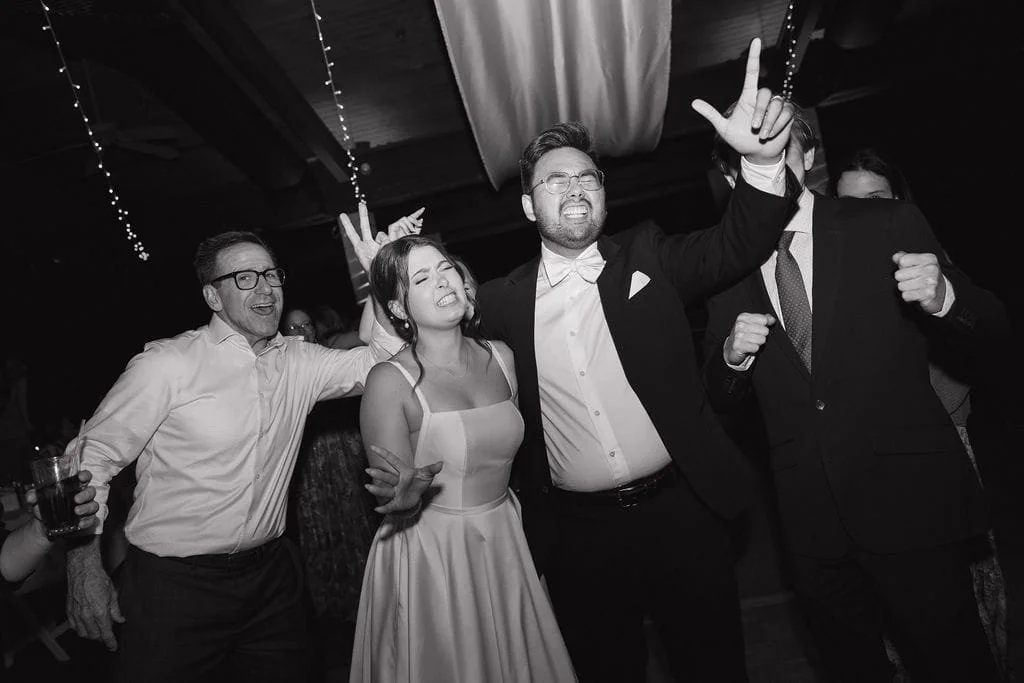
Courtesy @howieephotography
When couples think about their wedding timeline, it usually feels like a checklist.
Ceremony at this time.
Cocktail hour after that.
Dinner, speeches, dancing.
It looks organized. It makes sense.
But what most couples don’t realize is that the timeline isn’t just about keeping the day on track.
It quietly shapes how the entire wedding feels.
Guests don’t experience your wedding as a schedule.
They experience it as a flow of moments.
And when that flow is right, the night feels effortless.
When it’s not, something feels slightly off — even if no one can quite explain why.
Weddings Are Felt, Not Measured
No guest walks into a wedding thinking about the timeline.
They’re not checking their watch to see if dinner started on time.
They’re responding to how the room feels.
Do things feel rushed?
Do they feel slow?
Is there momentum?
Is there space to relax?
Those feelings are created by pacing.
And pacing is created by the timeline.
When the timing is thoughtful, the wedding feels natural.
Guests move easily from one part of the evening to the next without thinking about it.
That’s when a wedding feels smooth.
Where Timelines Quietly Break Down
Most timeline issues aren’t dramatic.
They’re subtle.
Dinner runs a little long.
Speeches stack too close together.
Dancing starts later than expected.
None of these things ruin a wedding.
But they change the energy.
If dinner stretches too long, guests lose momentum.
If speeches come too late, attention starts to drift.
If dancing opens too late, guests can feel disconnected from the energy shift.
It’s not about perfection.
It’s about rhythm.
The Transition Moments Matter Most
The most important parts of a wedding timeline aren’t always the major events.
They’re the transitions between them.
The moment guests move from cocktail hour into dinner.
The shift from dinner into speeches.
The opening of the dance floor.
These are the moments where energy either builds or stalls.
Handled well, they feel seamless.
Handled poorly, they feel abrupt or uncertain.
An experienced DJ pays close attention to these transitions.
Because those are the moments that define how the night unfolds.
Why Timing Affects the Dance Floor
One of the most common concerns couples have is the dance floor.
They want it to feel full.
They want guests to be engaged.
They want the energy to feel right.
What many couples don’t realize is that the success of the dance floor often starts hours earlier.
If the timeline leading up to it feels smooth, guests arrive at the dance floor ready.
If the timeline feels rushed or disjointed, guests hesitate.
They’re still mentally in dinner mode.
Or still catching up in conversations.
The dance floor isn’t just about music.
It’s about when the room is ready for that shift.
What Strong Vendor Teams Do Differently
The best weddings usually have something in common.
The vendor team is aligned.
The planner understands the pacing of the day.
The photographer knows when key moments are happening.
The DJ understands how music supports transitions.
And everyone is working from the same timeline.
When that alignment is in place, adjustments happen smoothly.
No one is guessing.
No one is reacting last-minute.
That’s when the couple feels relaxed.
And when the couple is relaxed, the entire room follows.
The Timeline Is a Framework, Not a Script
A good timeline isn’t rigid.
It doesn’t force the evening into exact minutes.
Instead, it creates a structure that allows the night to unfold naturally.
There’s room for flexibility.
Room for moments to breathe.
Room for the unexpected.
Because something always shifts on a wedding day.
A speech goes a little long.
A moment takes on more emotion than expected.
Guests linger in conversation.
The goal isn’t to control those moments.
It’s to have a timeline that supports them without creating pressure.
How Couples Should Think About Their Timeline
Instead of thinking about your timeline as a schedule, think of it as the flow of your celebration.
Ask yourself:
Do we want dinner to feel relaxed or quick?
Do we want dancing to start earlier or later?
Do we want moments spaced out or close together?
Those decisions shape how the night feels.
And once those decisions are clear, the timeline becomes much easier to build.
Final Thoughts
The best weddings rarely feel tightly scheduled.
They feel natural.
They feel comfortable.
They feel like everything is happening at the right time — without anyone thinking about it.
That feeling doesn’t happen by accident.
It’s created through thoughtful planning, strong collaboration, and a timeline that supports the experience rather than forcing it.
When the timeline is right, the entire wedding begins to feel effortless.
And that’s what guests remember.
If you’re planning your wedding and want the reception to feel smooth, natural, and well-paced, I’d love to hear what you’re envisioning.
You can schedule a conversation here: