
The Psychology of a Perfect Dance Floor
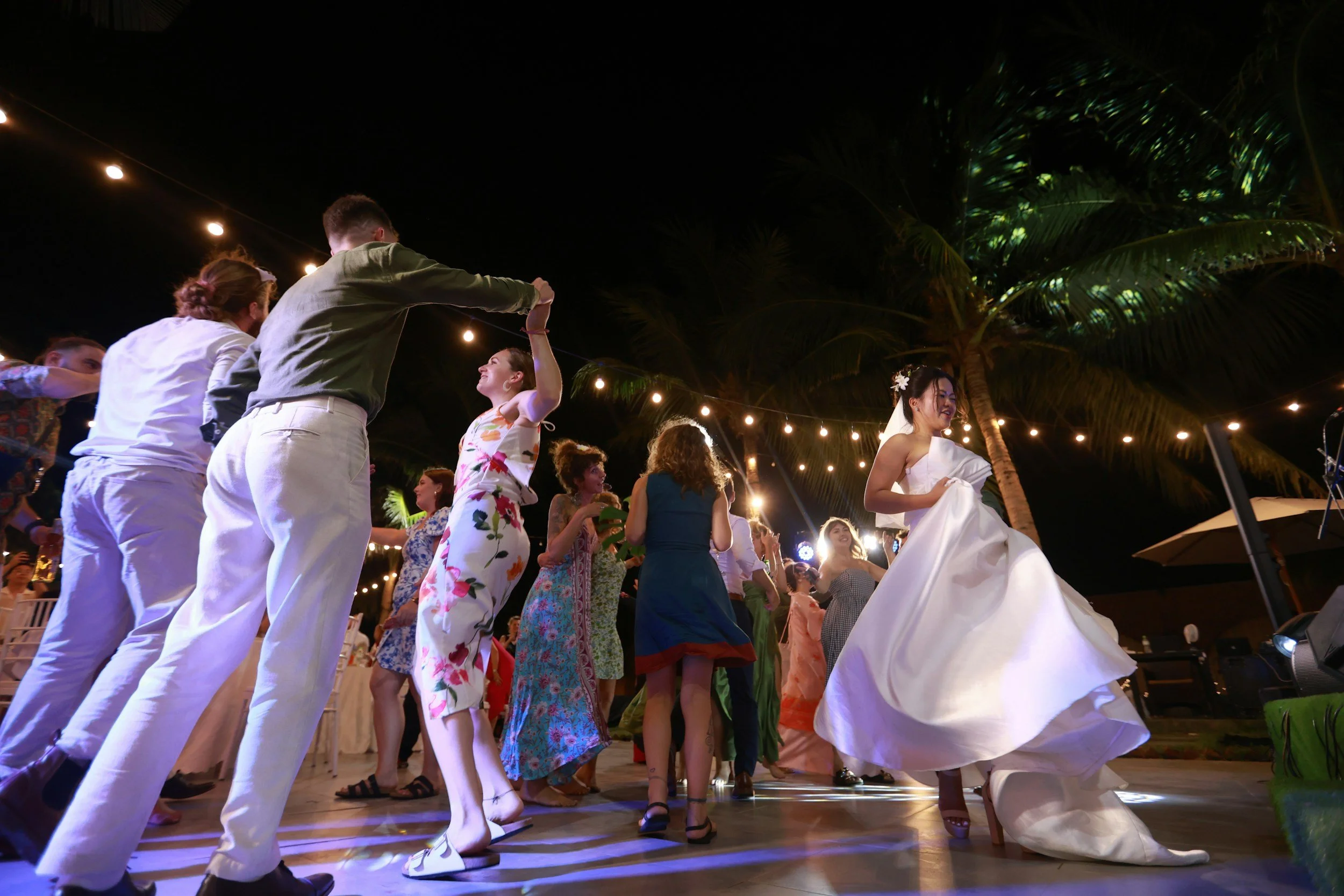
I’ve seen couples do everything “right” on paper and still end up with a dance floor that never quite clicks.
Great music.
Full timeline.
All the right songs.
And yet… people hover.
They watch.
They wait.
Then I’ve seen the opposite.
A night where nothing feels forced, people drift in naturally, and before anyone realizes it, the dance floor is full — and stays that way.
The difference isn’t the playlist.
It’s how people feel.
A Dance Floor Is About Comfort Before It’s About Music
Most guests don’t walk into a wedding thinking, I can’t wait to dance.
They’re thinking:
Do I know anyone?
Am I dressed right?
Is it okay to jump in yet?
Are other people dancing?
That’s normal.
People don’t want to be first.
They want to feel invited without being pushed.
When a dance floor works, it’s because those little questions get answered quietly — without announcements, pressure, or awkward moments.
Why People Hang Back (Even When the Song Is Perfect)
This is something couples rarely see, but it’s happening constantly.
Guests are standing on the edge thinking:
“I like this song…”
“I’ll wait one more track.”
“Maybe after the next transition.”
If the moment feels rushed, they freeze.
If it feels awkward, they retreat.
But when the energy feels natural, they step in without overthinking it.
That’s psychology, not hype.
The Feeling of Being Taken Care Of
The best dance floors all share one thing:
they feel handled.
Not controlled.
Not micromanaged.
Handled.
Guests sense when someone is guiding the night with confidence — when transitions make sense, when the energy builds instead of jumps, when nothing feels panicked or grabby.
That sense of calm gives people permission to relax.
And relaxed people dance longer.
Why Timing Matters More Than Big Songs
I’ve watched the same song land completely differently depending on when it’s played.
Too early, and it feels awkward.
Too late, and it feels like a last resort.
The sweet spot is when the room is already leaning forward.
That’s when a familiar track doesn’t just sound good — it feels right.
That’s not about knowing more music.
It’s about paying attention to people.
What Actually Builds Momentum
Momentum doesn’t come from one big moment.
It comes from a series of small, smart decisions:
Letting a moment breathe
Not rushing the first few dancers
Allowing energy to grow instead of spike
Knowing when to hold and when to release
When momentum is real, guests don’t leave the floor all at once.
They come and go — and the room stays alive.
Why Forcing the Party Never Works
You can feel when a party is being pushed.
The music gets louder.
The drops get bigger.
The energy feels… desperate.
Guests might jump in for a song or two, but it never lasts.
The best nights don’t feel chased.
They feel inevitable.
The Dance Floor Isn’t for One Type of Guest
A dance floor that only works for one group never stays full.
Great weddings make space for:
Friends
Family
Different ages
Different comfort levels
When guests feel like their moment is coming, they stay engaged — even when they’re not dancing.
That’s how the room stays connected.
Volume Isn’t the Magic Switch People Think It Is
Louder doesn’t always mean better.
In fact, when the music is too loud, people disconnect:
Conversations stop
Laughter turns into shouting
People step off the floor sooner
The right volume keeps people together.
When guests can dance and connect, they stay longer.
What Planners Notice Right Away
Planners see this immediately.
They notice:
How easy it is for guests to join in
Whether the floor clears out after peaks
If the couple looks relaxed or overwhelmed
Whether the night feels rushed or smooth
A strong dance floor makes everything else easier.
Less stress.
More flexibility.
Better flow.
What Couples Remember Later
Couples don’t usually say:
“The song order was perfect.”
They say:
“It just felt easy.”
“People stayed longer than we expected.”
“It felt like us.”
“The night flew by.”
That’s the psychology at work.
A Perfect Dance Floor Isn’t Created — It’s Guided
The best dance floors don’t need hype.
They need patience.
Awareness.
Good timing.
They grow naturally, peak comfortably, and wind down without anyone feeling pushed or rushed.
When that happens, the music doesn’t just sound good —
it feels right.
If This Is the Kind of Night You’re Imagining
If you’re hoping for a wedding where the dance floor feels natural, welcoming, and memorable — not forced or chaotic — that conversation starts long before the music.
An alignment call is the easiest way to see if that approach fits what you’re planning.