
How DJs and Wedding Planners Create Receptions That Feel Effortless
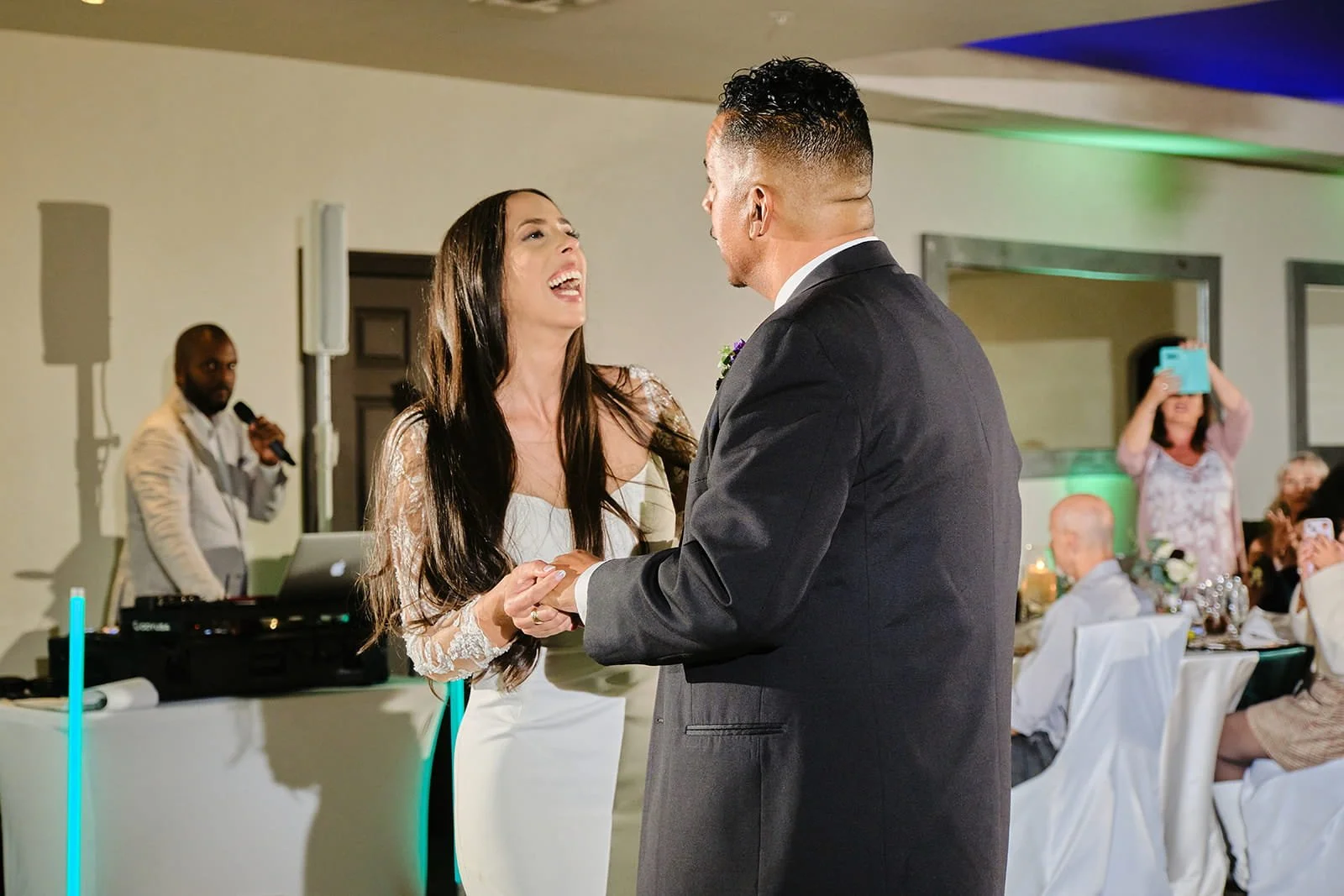
A wedding reception feels effortless when the planner, DJ, and vendor team are aligned behind the scenes. Here’s how strong collaboration shapes the entire guest experience.
The best wedding receptions have a certain feeling.
They don’t feel rushed.
They don’t feel awkward.
They don’t feel like guests are being pushed from one moment to the next.
They just flow.
Cocktail hour feels warm. Dinner feels comfortable. Toasts feel intentional. The first dance feels present. And when the dance floor opens, it feels like the natural next chapter of the evening.
That kind of reception does not happen by accident.
It happens when the people behind the scenes are aligned.
One of the most important relationships on wedding day is the relationship between the planner and the DJ. The planner protects the structure of the day. The DJ helps guide the energy of the room. When those two roles work together well, the entire reception feels smoother for the couple, the guests, and the vendor team.
That is what creates the feeling couples remember.
Not just music.
Not just a timeline.
The flow.
The Planner Protects the Structure
A wedding planner is managing more than most guests will ever realize.
They are watching the timeline, the couple, the families, the vendor team, the venue staff, the room setup, the photo schedule, and all the little details that keep the wedding moving.
A strong planner is thinking several steps ahead.
Is the room ready?
Is the photographer in place?
Are the parents nearby?
Are the toasts about to begin?
Is the couple getting a few minutes to breathe?
That structure matters.
Without it, even a beautiful wedding can start to feel scattered.
The planner helps create the framework that allows the evening to unfold with intention. And when the DJ respects and understands that framework, the reception becomes much easier to guide.
This is why timeline awareness matters so much.
A DJ should not be walking into a wedding day cold. They should understand the order of events, the key names, the ceremony cues, the formalities, the room transitions, and the energy goals for the evening.
That preparation is part of the experience.
The DJ Protects the Momentum
While the planner is protecting the structure, the DJ is paying attention to the emotional pace of the room.
That means watching how guests are responding.
Are they engaged?
Are they restless?
Are they still deep in conversation?
Are they ready for the next moment?
Is the room asking for more energy or does it need space?
This is where the role of the DJ becomes bigger than playing songs.
The right song at the wrong time can fall flat.
The right announcement delivered too soon can feel abrupt.
The right dance floor opener played before the room is ready can create hesitation.
A great reception is about timing.
The DJ is constantly reading the room and making small decisions that help the night feel natural. Sometimes that means giving a moment a little more space. Sometimes it means tightening the transition. Sometimes it means shifting the music so the room slowly lifts instead of being jolted into a new energy.
That is the work guests feel but rarely notice.
And that is the point.
When the DJ and planner are aligned, guests do not feel the mechanics.
They feel the experience.
The Best Transitions Are Quietly Coordinated
Most couples think about the big moments.
The grand entrance.
The first dance.
The toasts.
The cake cutting.
The dance floor.
But the transitions between those moments are just as important.
A reception can lose energy when there is confusion between dinner and toasts. Or when guests are unsure whether to stay seated or move. Or when the photographer is not ready for a moment the DJ is about to announce.
Those little gaps can make the night feel less polished.
This is where planner and DJ collaboration becomes extremely valuable.
Before a major moment, the DJ should be checking that the planner is ready, the photographer is in position, the couple knows what is happening, and the room is prepared for the shift.
That does not need to be dramatic.
In fact, the best coordination is usually quiet.
A quick look.
A quick confirmation.
A shared understanding of what happens next.
That is how the night stays smooth.
Guests Feel Alignment Even When They Don’t See It
Guests do not know what is happening behind the scenes.
They do not see the timeline review.
They do not see the quick vendor check-ins.
They do not see the planner making sure the couple is ready before a formal moment begins.
But they feel the result.
They feel when announcements are clear.
They feel when the night does not drag.
They feel when the dance floor opens at the right time.
They feel when the couple seems relaxed.
That is the goal.
A seamless reception gives guests the feeling that everything is happening exactly when it should.
Not because the night is overly controlled.
Because the right people are guiding it.
Calm Communication Changes the Entire Night
Wedding days move fast.
Even with strong planning, things shift.
Photos may run long.
Dinner service may need a few extra minutes.
A speech may be longer than expected.
A parent may step away right before a dance.
None of that has to derail the reception.
What matters is how the vendor team responds.
This is where calm communication becomes a luxury standard.
A planner does not need a DJ who panics.
A couple does not need a DJ who looks frustrated.
A room does not need more tension.
The best response is steady, simple, and solution-focused.
When the planner and DJ communicate well, adjustments can happen without the couple feeling the pressure.
That is one of the most valuable things a strong vendor team can give a couple:
the ability to stay present in their own wedding.
Why This Matters for Couples
Couples often spend months thinking about how their wedding will look.
The flowers.
The venue.
The dress.
The tablescape.
The photos.
All of that matters.
But once the wedding begins, guests experience the night through movement and feeling.
How they are welcomed.
How they transition.
How they listen.
How they laugh.
How they dance.
How they say goodbye.
That is why planner and DJ collaboration matters.
It protects the actual experience of the wedding.
A beautiful room still needs flow.
A great playlist still needs timing.
A strong timeline still needs someone who can feel the room and adjust in real time.
When those pieces come together, the reception feels effortless.
What Couples Should Ask Their DJ
When choosing a wedding DJ, couples should ask more than:
“Can you play the music we like?”
That question matters, but it is only part of the picture.
Better questions include:
How do you work with planners before the wedding?
How do you review the timeline?
How do you coordinate with photographers and venue teams?
How do you handle transitions between formalities?
How do you know when the dance floor is ready to open?
Those answers reveal whether the DJ understands the full event, or only the music.
And for a wedding reception, that difference matters.
What Planners Notice About DJs
Planners notice details quickly.
They notice who reads the timeline.
They notice who asks smart questions.
They notice who creates extra work.
They notice who communicates calmly.
They notice who understands when to lead and when to support.
A planner-friendly DJ does not need to dominate the room to be effective. The best DJs know how to guide the event while still respecting the larger vendor team.
That is what builds trust.
And trust is what makes a planner comfortable recommending a vendor again.
Final Thoughts
A wedding reception that feels effortless is never just the result of one person.
It is the result of alignment.
The planner protects the structure.
The DJ protects the momentum.
The vendor team protects the experience.
When those pieces work together, the couple gets to relax. Guests feel comfortable. The room moves naturally from one moment to the next.
That is what makes a reception feel seamless.
Not because everything is perfect.
Because the right people are paying attention.
And when the planner and DJ are aligned behind the scenes, the entire celebration feels better in the room.
FAQ
Why is the planner and DJ relationship so important at a wedding?
The planner manages the structure of the wedding day, while the DJ helps guide the energy and pacing of the room. When those roles are aligned, transitions feel smoother and guests stay more engaged.
Should my DJ communicate with my planner before the wedding?
Yes. Your DJ should understand the timeline, formalities, ceremony cues, reception flow, and key vendor details before the wedding day. This helps avoid confusion and keeps the event feeling calm.
What does a DJ do besides play music?
A strong wedding DJ helps guide transitions, make announcements, read the room, support the timeline, coordinate with vendors, and manage the emotional flow of the reception.
How does this affect the guest experience?
Guests may not notice the behind-the-scenes coordination, but they feel it. Smooth transitions, clear announcements, well-timed moments, and natural dance floor energy all help the wedding feel effortless.
Wedding Playlist Inspiration
Songs that can help create a smooth transition from dinner into celebration:
Lovely Day — Bill Withers
Signed, Sealed, Delivered — Stevie Wonder
September — Earth, Wind & Fire
Love Never Felt So Good — Michael Jackson
Cuff It — Beyoncé
Save This Wedding Planning Guide
Planning your wedding reception?
Save this guide so you can revisit it as you think through your timeline, planner communication, and music flow.
How Can I Help You?
If you’re planning a wedding in Phoenix, Scottsdale, Southern California, or a destination location and want your reception to feel smooth, personal, and effortless, I’d love to hear what you’re envisioning.